Introduction
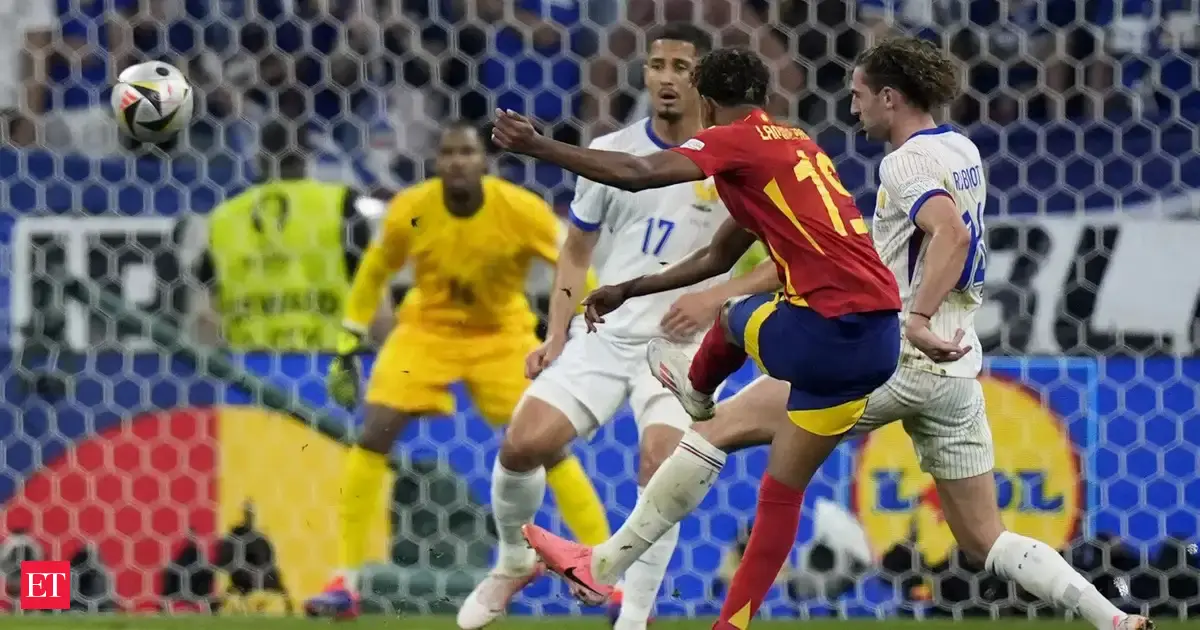
There's something magical about the World Cup. Even when the world feels divided, when headlines scream trouble, and when politics threatens to tear us apart, football has this uncanny ability to pull us together. For 39 days from June 11, 104 matches across three countries will remind us that we're all just fans at heart, united by our love for the beautiful game.
Context
Let's get one thing straight - this isn't your average World Cup. We're talking about the biggest tournament ever: 48 teams instead of 32, games spanning three countries (USA, Canada, and Mexico), and a staggering 104 matches total. The tournament kicks off in Mexico City on June 11th, and believe me, if you're in the UK trying to watch, you might need to set your alarm for 5 AM.
"The sheer scale of this tournament is mind-boggling," says football analyst Rajesh Kumar. "We're not just adding more teams - we're fundamentally changing how the entire tournament works."
And let's talk money. The commercial bet on soccer has never been bigger, but it's also entered uncharted territory with global protectionism and economic uncertainty facing brands and retailers. Not exactly the environment World Cup organizers had in mind when they filed their bid years ago.
Background Information
The World Cup has always been more than just football. Since 1930, it's been this global phenomenon that transcends borders and politics. But what's fascinating now is how it's evolved. The 2026 edition represents both the peak of commercial ambition and the challenges of our current moment.
Most people missed this, but the bidding process happened during a completely different economic reality. When the US, Canada, and Mexico submitted their joint bid, nobody was predicting today's protectionist trade environment. Now, brands face a completely different landscape, yet the tournament marches on with its promise of unforgettable moments.
Remember when Qatar 2022 happened? The controversies, the costs, the climate concerns? Those debates didn't stop people from watching, and they won't stop this tournament either. Football has this resilience that's rarely seen elsewhere.
Analysis
Here's what caught my attention - the commercial challenges are serious. With protectionist policies spreading globally, the traditional sponsorship models are getting squeezed. Brands that jumped in expecting straightforward ROI now face a complex web of tariffs and trade barriers.
"But here's the thing," says marketing expert Priya Desai, "football fans, especially in India, are passionate. They'll find ways to watch, to engage, to spend money. The passion transcends economic policies."
The betting landscape has evolved too. With 48 teams, the odds are more complex, the futures markets more interesting. Experts are seeing unprecedented engagement in prediction markets, especially in regions where football betting is legal and culturally accepted.
Tactically, the expanded format changes everything. More teams mean we'll see defensive strategies earlier in tournaments. The traditional powerhouse nations might face real threats earlier than expected. That's what makes this tournament special - it's not predictable anymore.
Key Takeaways
- The 2026 World Cup will be the largest ever, spanning three countries with 48 teams and 104 matches
- Economic challenges, including protectionism, are affecting commercial strategies but aren't stopping fan engagement
- The expanded format will likely favor defensive teams and change traditional tournament dynamics
- Time zone differences will be challenging for fans globally, especially in Asia
- Despite economic and logistical challenges, the World Cup's ability to unite remains intact
- Technology and digital platforms will play a crucial role in how fans experience the tournament
Conclusion
As we count down to June 11th, the World Cup faces both unprecedented challenges and unique opportunities. The commercial landscape has shifted, the format has expanded, and fans face early wake-up calls. But through it all, football's magic remains.
This tournament will test the resilience of the global football ecosystem. Will the commercial models adapt? Will the expanded format deliver the drama we expect? And most importantly, 39 days from now, will we still be talking about moments that took our breath away?
The tournament kicks off in Mexico City, but its real stage is the world. With fans from India to Indonesia waking up at odd hours, from London to Lagos gathering around screens, the World Cup will once again prove that for all our differences, we're all just football fans at heart.
Trending SEO Keywords
- FIFA World Cup 2026
- Football tournament schedule
- World Cup betting tips
- Soccer streaming options
- USA Canada Mexico World Cup