Introduction
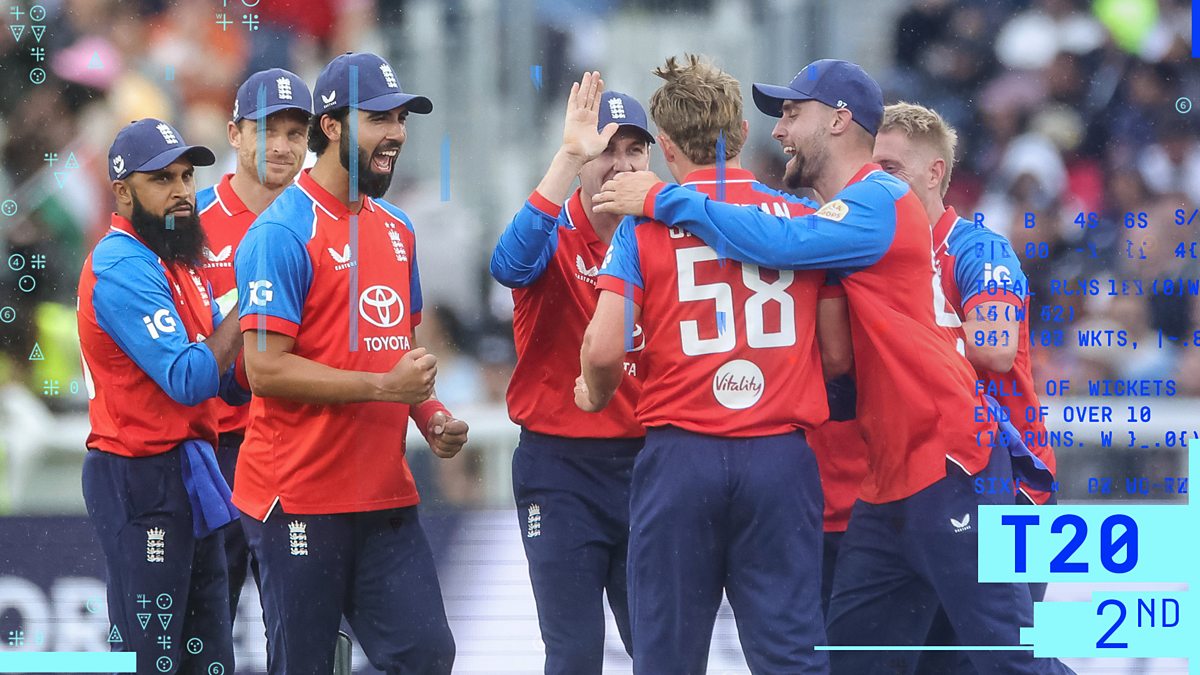
The roar of the crowd was something else today at the Kennington Oval as India and England went head-to-head in the second T20 of their ongoing series. Cricket fans have been waiting for moments like these, where the game's shortest format throws up drama, brilliance, and heart-stopping moments. What makes this series particularly interesting is how both teams have been trading blows, making every match crucial for the series outcome. It's those moments that test players' skills and nerves.
Context
The second T20 match between England and India at the Oval in London had everything you could ask for in a game of cricket. With the series tied 1-1 heading into this encounter, the pressure was on both sides. India won the toss and decided to bowl first, a decision that looked questionable when England's batters came out firing. The pitch conditions were favorable for batting, with the outfield being particularly fast - a crucial factor in T20 cricket where every run matters.
What stood out before the match was England's approach. Coming off their recent series against South Africa where players like Marizanne Kapp showcased extraordinary talent, England seemed determined to bring their A-game. The team, still adjusting to new leadership after Ben Stokes' departure, needed a statement performance. For India, it was about building momentum after their impressive first-game victory.
Background Information
If you look at the history between these two cricketing giants, T20 matches between India and England have always been thrilling affairs. The rivalry has intensified over the years with both teams having their fair share of victories. Historically, India has had the upper hand in T20 Internationals, but England's recent evolution in this format has made them a formidable opponent.
What's interesting is how both teams have evolved their strategies over the years. England, known for their white-ball prowess, has embraced aggressive cricket under previous leadership. Their ability to win matches in strange ways - like the memorable World Cup victories - has set them apart. India, on the other hand, has traditionally relied on its batting depth and spin options, though they've adapted well to the T20 format.
The players involved in this match have their own stories to tell. India's top order has been in brilliant form, while their bowling attack has been trying to find the right combination. England's challenge has been balancing aggression with stability - something they've been working on since their recent leadership changes.
Analysis
What happened at the Oval today was exactly what cricket fans love about T20 cricket. England's decision to go for broke from the first over paid dividends as their openers found the boundaries with ease. The middle overs saw India's spinners trying to control the game, but England's batsmen adapted well, rotating strike and finding gaps.
The turning point came in the 16th over when India's captain made a strategic change that wasn't expected. Bringing on a pacer in the middle overs was a bold move, but it backfired spectacularly as the English batters capitalized on it. The power-hitting in the death overs was something to watch - those shots that seem impossible but somehow find the boundary.
India's response was nothing short of brilliant. They started cautiously but ramped up the scoring rate at the right time. The partnerships were well-paced, with each batter playing their role perfectly. What caught my attention was how India's batters handled the pressure situations - those crucial moments when the game could have slipped away.
The fielding was exceptional on both sides. Save that moment when a simple catch was dropped - those are the things that decide matches in T20 cricket. England's athleticism in the field was impressive, though India's quick thinking under pressure made the difference.
Key Takeaways
- England's aggressive approach paid off**: Their willingness to take risks and play unconventional shots worked well in the high-pressure situation.
- India's batting depth proved crucial**: The ability to send down the order and still score runs when needed was a big factor.
- Middle overs control was key**: Teams that managed to control the scoring in overs 7-15 had a significant advantage in this match.
- Leadership under pressure**: Both captains made bold decisions that ultimately defined the match outcome.
- Fielding standards were exceptional**: Both teams showed why elite fielding is so important in modern T20 cricket.
- Adaptability wins matches**: The ability to change strategies mid-game and adapt to conditions was crucial for the winning side.
Conclusion
The series now moves to the final T20 match, with England leading 2-1. What this match showed us is that the gap between good and great teams in T20 cricket is incredibly small. England's victory today wasn't just about better batting or bowling - it was about executing their game plan under pressure.
For India, it's a chance to bounce back and level the series. They'll be analyzing their performance, especially the areas where they lost the game. The experience gained from playing such high-quality cricket will surely benefit them in future tournaments.
Looking ahead, this series could have implications for the rankings and confidence going into other tournaments. The way both teams played today suggests we're in for a thrilling conclusion to the series. The final match should be another cracker, with both teams knowing what's at stake.
The cricket world will be watching closely as the series reaches its climax. What we've seen so far is why T20 cricket has captured the imagination of fans worldwide - it's unpredictable, exciting, and capable of producing moments that become part of cricketing folklore.
Trending SEO Keywords
- India vs England T20 series
- Cricket highlights Oval match
- T20 cricket analysis
- England cricket win
- India batting performance
- Cricket series preview