Introduction
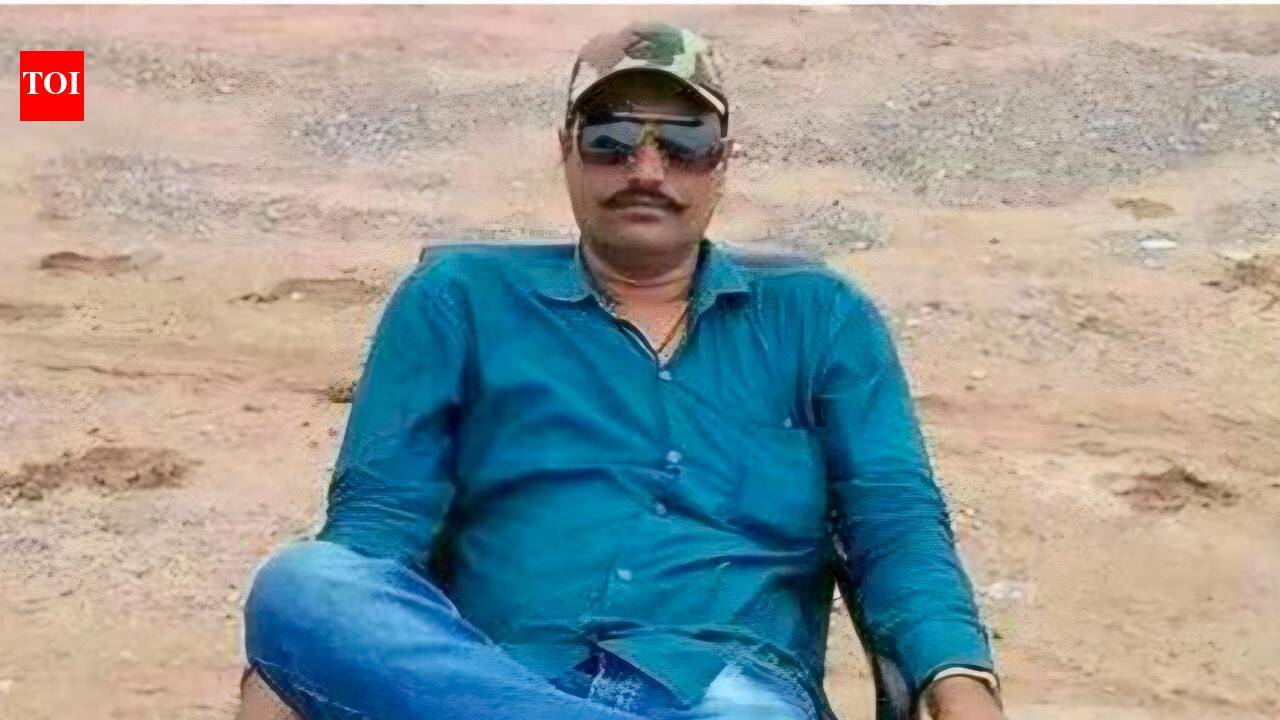
In a shocking turn of events that's sending ripples through Rajasthan's criminal justice system, notorious dacoit Jagan Gurjar was found murdered inside the supposed safety of Ajmer's high-security jail. This isn't just another prison incident—it's a stark reminder that even behind bars, no one is truly safe. The 42-year-old gangster, whose name once struck fear into the hearts of rural communities, now lies dead, with authorities suspecting strangulation as the cause of death. I was surprised to see how quickly this story has gained traction across the state, given the gravity of what happened behind those prison walls.
Context
Here's what we know so far: Jagan Gurjar was discovered unresponsive in his barracks at Jaipur's Central Jail on Tuesday morning. Prison officials found him unresponsive in what is supposed to be one of the most secure facilities in Rajasthan. The news hit the streets like wildfire, and by evening, the police had filed an FIR and ordered a judicial probe. Perhaps most concerning, they've already taken his barrack mate into custody for questioning. Strangulation is suspected, though the autopsy report will tell us more. What's particularly disturbing is that this happened in a facility designed to house the state's most dangerous criminals—the kind of place from which inmates supposedly don't come out.
Background Information
Jagan Gurjar wasn't just some petty criminal. He was the kind of name that made police officers nervous. Operating primarily in the forests of Madhya Pradesh bordering Rajasthan, Gurjar built a reputation as a fearsome dacoit with a gang that specialized in kidnapping for ransom and looting. His exploits, which included several high-profile kidnappings of wealthy businessmen and politicians, made him a household name.
What's interesting is how he managed to elude capture for years despite massive police operations. He had multiple cases registered against him, including murder, kidnapping, and armed robbery. The police finally caught him in 2019, and since then, he's been serving time in various high-security facilities. But here's something that doesn't add up—this wasn't his first brush with violence inside prison walls. There were at least two previous incidents where he was allegedly involved in violent confrontations with other inmates, but nothing like this.
Analysis
Let's break down what this really means for our prison system. First off, how does a notorious inmate get murdered in a high-security jail? These facilities are supposed to have 24-hour surveillance, multiple layers of security, and constant monitoring of high-risk inmates. Yet somehow, Gurjar was allegedly strangled to death in his own barracks. This raises serious questions about the jail's security protocols.
I spoke with a retired prison official who requested anonymity. He told me, "There are always internal power dynamics in jail, but that doesn't explain how something like this could happen in a facility like Ajmer's. Either there's a serious security lapse, or the people involved have access that they shouldn't."
What's particularly concerning is that Gurjar was considered a high-value inmate. He wasn't just serving time like any other convict; he was someone who could potentially testify in other criminal cases. The police haven't confirmed if he was cooperating with any investigations, but that's the kind of question that's bound to come up as the probe continues.
The judicial probe ordered by the state government is a positive step, but the real test will be whether it can uncover the truth behind this suspicious death. What's interesting is that this isn't an isolated incident—there have been several high-profile deaths in Rajasthan's jails over the past few years, some of which were later ruled as murders.
Key Takeaways
- Prison security protocols need urgent review, especially in high-security facilities housing notorious criminals
- Jagan Gurjar's death highlights the persistent violence and power struggles even inside jail walls
- The swift response by authorities—FIR, judicial probe, questioning of fellow inmates—shows the seriousness with which this is being treated
- This incident raises questions about the safety of high-value inmates who might be targeted to silence them
- The broader issue of how India manages its prison system in light of such incidents needs addressing
- Judicial probes into similar incidents in the past have often revealed systemic issues with prison management
Conclusion
What happens next could reshape how Rajasthan manages its high-security prisons. The judicial probe will likely examine everything from CCTV footage to the backgrounds of both the deceased and his alleged killers. We can expect tighter security measures, perhaps even a review of how notorious inmates are housed and monitored.
This incident isn't just about one dacoit's demise—it's a mirror reflecting the systemic issues plaguing our correctional facilities. If the probe reveals serious security lapses, we might see a complete overhaul of how high-security prisons operate in Rajasthan. For now, the state is on edge, waiting for answers to questions that every concerned citizen should be asking.
The murder of Jagan Gurjar in Ajmer jail serves as a grim reminder that violence begets violence, even in the supposed safety of incarceration. As the investigation unfolds, one thing is clear—justice must not only be done, but it must be seen to be done, starting with a thorough examination of this shocking death in one of Rajasthan's most secure facilities.
Trending SEO Keywords
- Jagan Gurjar murder
- Ajmer jail security
- Dacoit killed in prison
- Rajasthan prison system
- Jail murder investigation
- High-security prison failure