Introduction
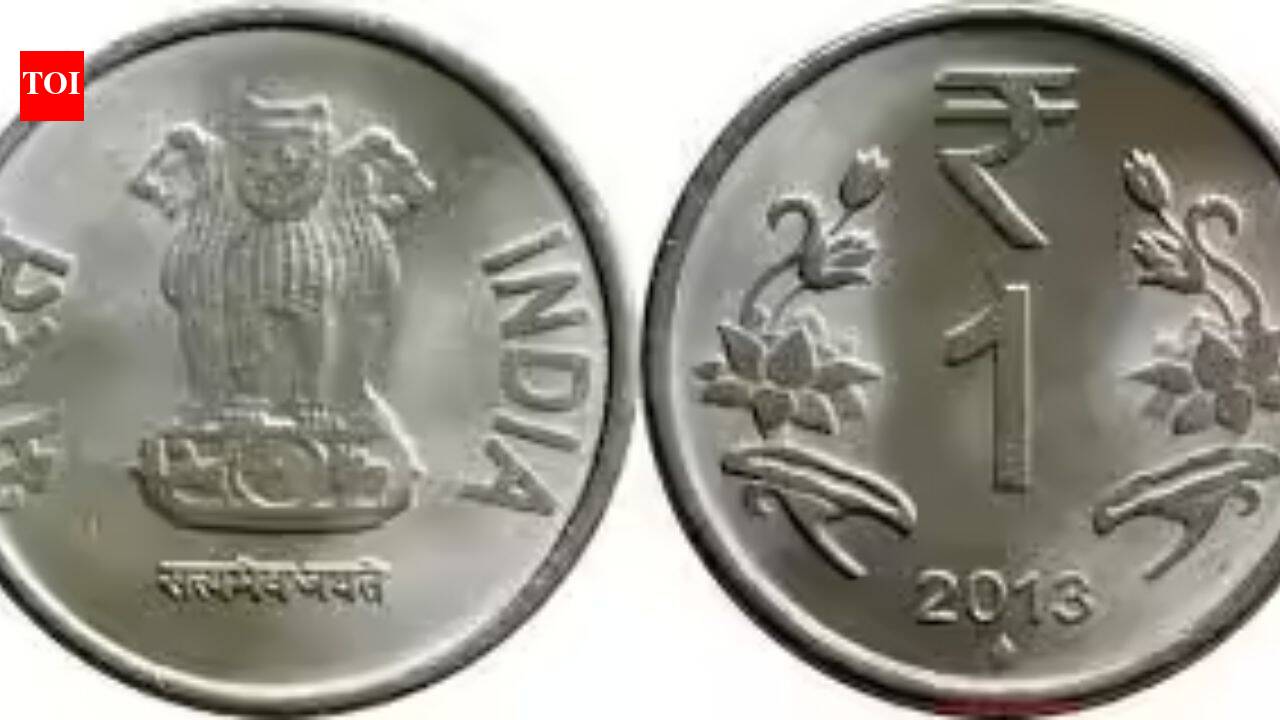
Remember that shiny 1 rupee coin that jingled in your pocket as a kid? The one you'd use to settle cricket match tosses or grab a candy from the neighborhood shop? Well, it turns out this humble piece of metal isn't going anywhere just yet. While India's digital payments revolution is transforming how we transact daily, the physical rupee coin continues to hold its ground, quietly retaining its coining glory in an increasingly cashless world.
Context
Here's what's happening on the ground: while UPI apps like GPay and PhonePe are popping up everywhere, and digital transactions have skyrocketed by over 500% in recent years, the Reserve Bank of India estimates there are still billions of rupee coins in circulation. The irony? The same coin that seems almost useless for big purchases today is still the preferred method for small transactions across the country. From street vendors to local kirana stores, the 1 rupee coin remains the great equalizer in India's complex payment ecosystem.
Background Information
The rupee coin has been part of India's monetary system since ancient times, though the modern version we know today was introduced after independence. Over the decades, these coins have featured various designs - from the Ashoka Lion Capital to the newer Mahatma Gandhi series. What's interesting is how the coin's purchasing power has evolved. A 1 rupee coin could buy you an entire meal or cinema ticket in the 1980s, but today it's more about its convenience for precise change rather than its value.
The coin's survival through India's demonetization in 2016 and the rapid rise of digital payments since then tells us something important about our relationship with physical currency. It's not just about nostalgia; it's about practicality.
Analysis
So what's keeping this coin relevant in 2024? Several factors come into play. First, financial inclusion remains a challenge in many parts of India. While urban areas embrace digital payments, rural markets still rely heavily on cash. The rupee coin, with its universal acceptance, bridges this gap perfectly.
"Physical currency, especially coins, serves as the backbone of micro-transactions," explains Dr. Ramesh Kumar, a monetary policy expert. "You can't exactly ask someone to pay you ₹1 through UPI for a tea worth ₹10. Coins eliminate the friction of digital payments for minimal amounts."
Second, the coin's durability and government backing give it trust that digital solutions haven't fully penetrated in certain segments. Unlike digital wallets that require smartphones and internet connectivity, coins work everywhere - even during power cuts or network failures.
The economic angle is fascinating too. The cost of producing coins has increased over years, but the RBI maintains their circulation because removing them would create massive logistical challenges and potentially harm small businesses that operate on thin margins.
What's really surprising is how the coin has adapted. While its purchasing power has diminished, its role has evolved. It's no longer about what the coin can buy, but about what it represents - a tangible connection to India's monetary system that predates even many of our grandparents.
Key Takeaways
- Persistence despite progress**: The rupee coin continues circulation despite India's digital payment revolution, serving as a bridge between traditional and modern payment methods.
- Financial inclusion champion**: Coins remain crucial for financial inclusion, especially in rural areas and for populations without digital access.
- Practical necessity**: For micro-transactions, coins offer convenience that digital solutions cannot match, particularly for amounts under ₹10.
- Economic stability**: Maintaining coins in circulation prevents disruption to small businesses and ensures economic continuity during digital infrastructure failures.
- Cultural significance**: Beyond monetary value, the coin represents India's monetary heritage and continues to feature in everyday cultural practices.
Conclusion
Looking ahead, the rupee coin isn't disappearing anytime soon. While India marches toward a more digital future, this humble coin will likely remain part of our daily lives for years to come. The challenge for policymakers will be balancing the efficiency of digital payments with the practical need for physical currency, especially coins.
What does this mean for you? Well, whether you're buying vegetables, paying for parking, or settling friendly bets, that 1 rupee coin in your pocket still has its place. It's a reminder that in India's rapid transformation, some things hold steady - providing stability in an ever-changing economic landscape.
The coin's story isn't just about currency; it's about how India is navigating its unique path toward modernization while honoring practical realities. In a world racing toward digital everything, sometimes the simplest solutions remain the most effective.
Trending SEO Keywords
- Indian rupee
- Digital payments
- Cashless India
- Rupee coin
- UPI payments
- Financial inclusion