Introduction
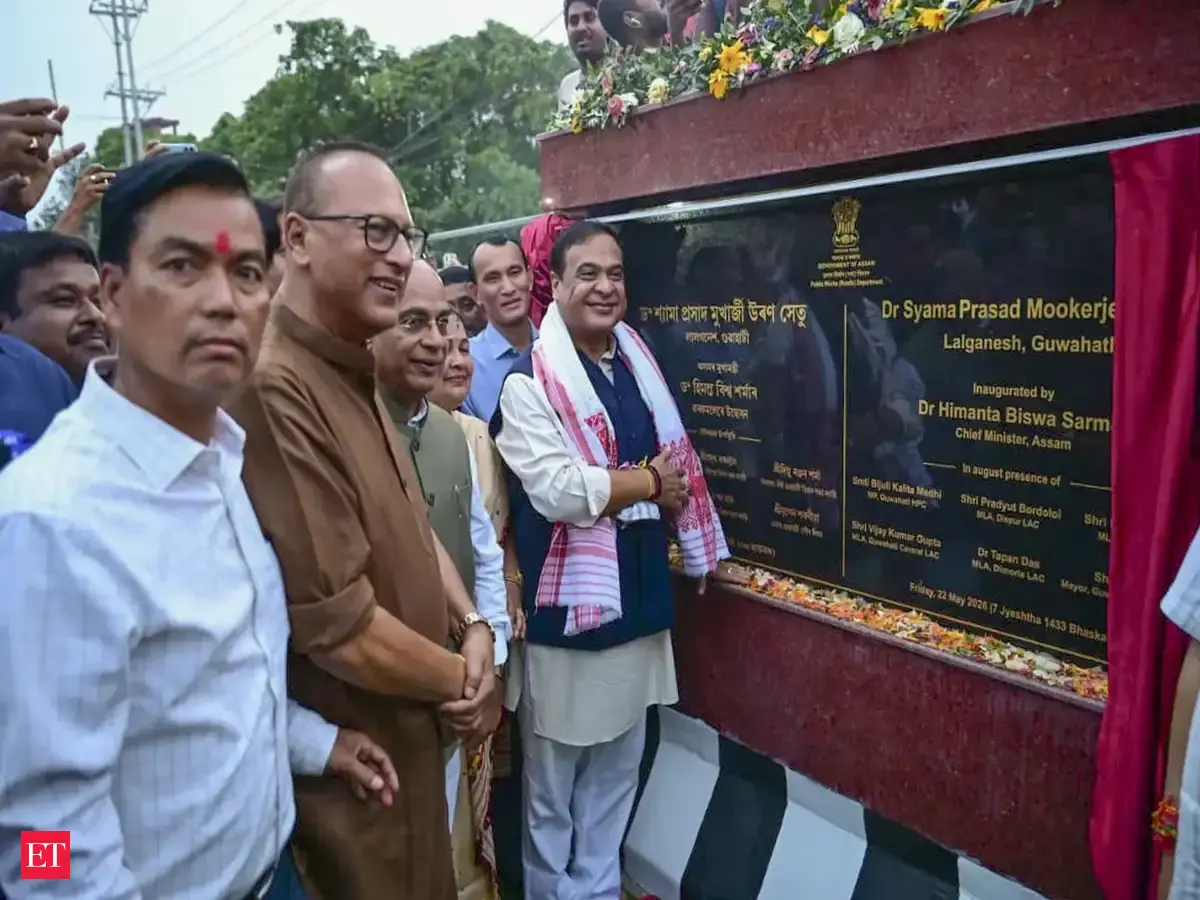
In a bold move that signals Guwahati's transformation into a modern urban hub, Assam Chief Minister Himanta Biswa Sarma on Saturday unveiled the state-of-the-art Dr. Syama Prasad Mookerjee Flyover, a Rs. 376 crore engineering marvel that promises to redefine the city's traffic dynamics. This infrastructural triumph represents more than just a transportation solution—it's a testament to Assam's growing economic prowess and a glimpse into the future of urban development in India's Northeast. As cities across the country grapple with rapid urbanization, Guwahati's latest addition to its infrastructure portfolio positions it as a model for balanced regional development.
Context
The inauguration ceremony, held on a Saturday, marked the culmination of an ambitious 26-month construction journey that began in early 2022. The 2.8-kilometer elevated corridor, strategically positioned in Guwahati's south-western region, connects key commercial and residential areas that have historically suffered from severe traffic congestion. Chief Minister Sarma, known for his decisive leadership style and focus on development, personally oversaw the project's progress through multiple phases, ensuring timely completion despite the region's challenging geographical conditions and monsoon disruptions.
Background Information
Guwahati, Assam's largest city and the gateway to the Northeast, has long struggled with infrastructure bottlenecks that hindered its economic potential. The Dr. Syama Prasad Mookerjee Flyover is named after the former Union Minister and founder of the Bharatiya Jana Sangh, symbolizing the government's commitment to honoring national icons while developing regional infrastructure. The naming choice reflects Assam's unique position as a state that bridges India's cultural and geographical diversity, much like Dr. Mookerjee's political legacy.
The project emerges from a broader vision articulated by the Assam government to transform Guwahati into a smart city by 2025, with infrastructure development as the cornerstone. Previous initiatives have included the expansion of the Lokpriya Gopinath Bordoloi International Airport and the development of the Brahmaputra riverfront, but the flyover represents the most significant single investment in urban transportation to date.
Analysis
The technical specifications of the Dr. Syama Prasad Mookerjee Flyover demonstrate cutting-edge engineering adapted to local conditions. Designed to handle approximately 45,000 vehicles daily, the structure incorporates advanced safety features including LED lighting, CCTV surveillance, and dedicated pedestrian pathways. The project's completion in just 26 months—remarkably efficient for a project of this scale—speaks volumes about the state's improving project management capabilities and execution efficiency.
Traffic management experts estimate that the flyover will reduce travel time through the corridor by nearly 40%, directly benefiting thousands of daily commuters, including students, professionals, and business travelers. Economic analysts project that improved connectivity will spur development in previously underserved areas along the route, potentially increasing property values by 15-20% in the vicinity. The construction phase alone generated approximately 1,200 direct and indirect jobs, providing a significant boost to the local economy.
Key Takeaways
- Infrastructure development is a critical catalyst for economic growth and urban modernization in emerging economies
- Guwahati's flyover project demonstrates how targeted investments can solve specific urban challenges while creating broader economic benefits
- The 26-month completion timeline sets a new benchmark for similar projects in the region, showcasing improved administrative efficiency
- Strategic naming of infrastructure projects helps preserve cultural heritage while advancing development goals
Conclusion
With the inauguration of the Dr. Syama Prasad Mookerjee Flyover, Guwahati has taken a significant step toward realizing its vision as a modern, livable city. The project sets the stage for further infrastructure investments, including a proposed metro rail system and riverfront development, which are expected to transform Guwahati's urban landscape over the next decade. For Assam and the broader Northeast region, such developments are crucial not just for economic growth but for strengthening physical and cultural connections with the rest of India, potentially reshaping the region's role in the national economy.
Trending SEO Keywords
- Guwahati infrastructure development
- Assam urban planning
- Northeast India connectivity
- Dr. Syama Prasad Mookerjee flyover
- Himanta Biswa Sarma infrastructure projects
- Indian urban development initiatives
- Smart city transformation Assam
- Northeast India economic growth