Introduction
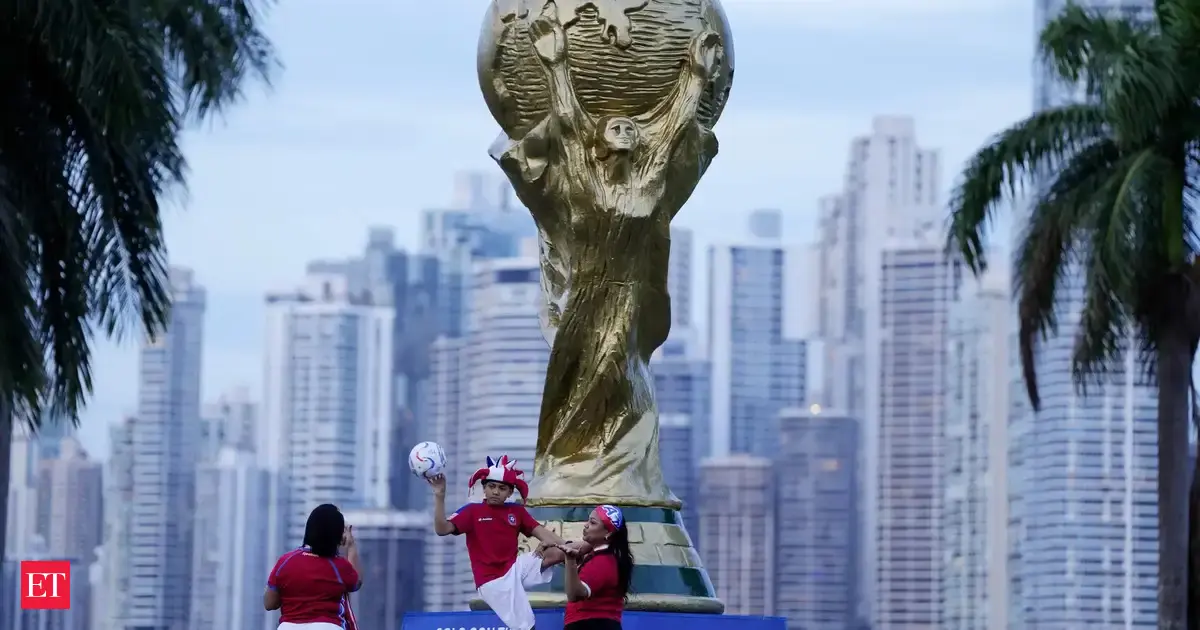
Here's something that caught my attention while covering the FIFA World Cup in India - the complete absence of buzz. I mean, we're talking about the world's biggest sporting event, and brands are treating it like it's just another Tuesday. The usual splash of marketing campaigns, celebrity endorsements, and those massive TV ads that usually accompany the World Cup? They're barely there. What's more surprising is that this isn't happening in a smaller football market - we're talking about India, where cricket dominates but football has been gaining serious traction over the past decade.
Context
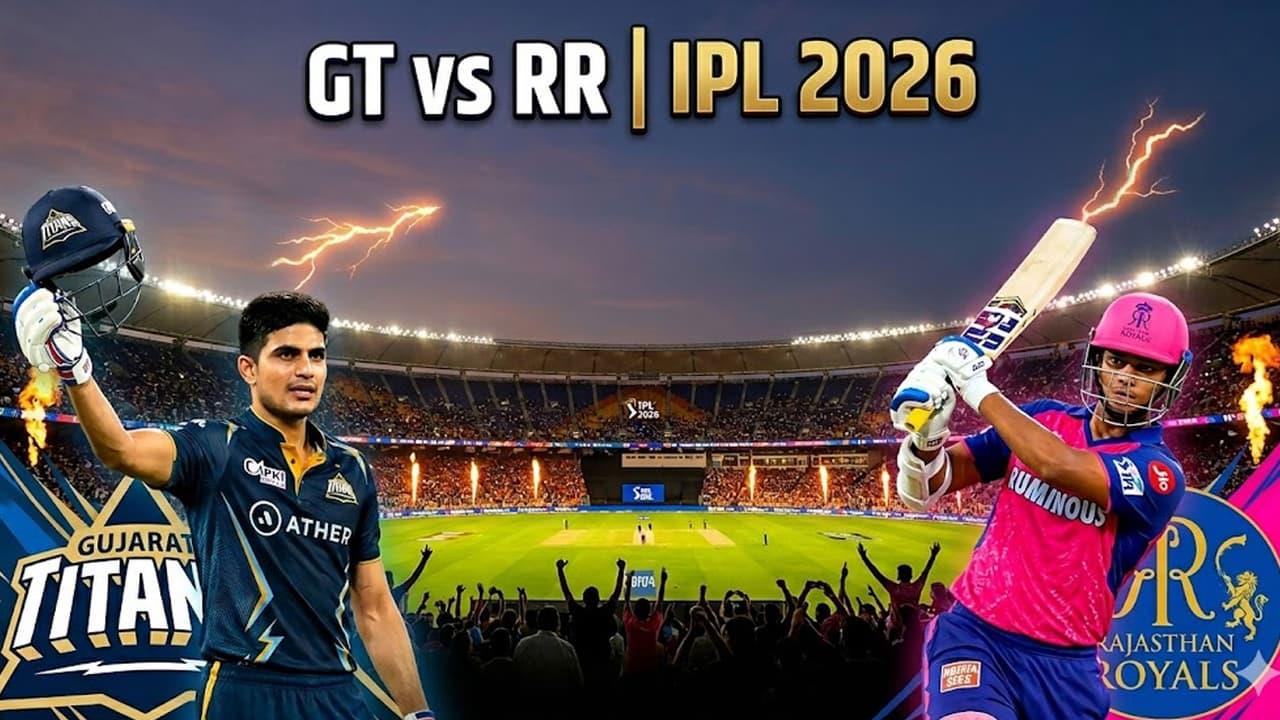
The FIFA World Cup kicked off last week, and honestly, you'd think it was a quiet Tuesday morning rather than the opening ceremony of the biggest tournament in global sports. The problem? Match timings that don't work for Indian audiences and broadcast deals that came way too late. I spoke with several marketing heads who told me they're still waiting for proper broadcast rights and clear scheduling information. Remember how we saw a complete transformation when the IPL started? Brands were jumping on board with creative campaigns and huge spends. This World Cup situation feels like the complete opposite.
Most brands I've spoken to are either sitting on the fence or reducing their advertising budgets dramatically. One senior marketing executive from a major consumer goods company told me, "We're looking at potentially cutting our FIFA World Cup spends by nearly 50% compared to previous editions. The logistics just don't make sense." The match timings are particularly brutal - many key games are scheduled for 2:30 AM Indian time or during work hours, making it impossible for the average Indian to actually watch the matches live.
Background Information
If we look back at the 2018 and 2022 World Cups, India saw a significant increase in engagement. Brands were pouring money into campaigns, football celebrities were everywhere, and even non-football brands jumped on the bandwagon. Remember how Coca-Cola, McDonald's, and Pepsi had entire campaigns built around the World Cup? Last time around, advertising spends during the tournament period were estimated to be around ₹2.4 crore daily across major brands.
But here's what's different this time - the broadcast rights situation. The deal with the official broadcaster didn't include many of the high-profile matches, and when it did, the schedule was released so late that brands couldn't plan their campaigns properly. This is a stark contrast to how the IPL operates - broadcasters and sponsors work together months in advance to create a cohesive marketing calendar.
The rise of football in India has been remarkable though. The Indian Super League started in 2014, and now we have over 11 teams with genuine fan followings. Cities like Kerala, Goa, and Northeast states have been passionate football hubs for decades. Even in metros, football viewership has increased by nearly 40% over the last five years, according to recent BARC data. So why is the marketing response so muted this time around?
Analysis
What we're seeing here is a perfect storm of logistical issues and poor strategic planning. The broadcast rights situation has left brands scrambling - they can't create targeted campaigns when their audiences can't easily watch the content. The timing issue is particularly frustrating because it completely defeats the purpose of sports advertising. What's the point of running ads for a match that most Indians will watch on highlights the next day?
Industry experts I've spoken to are calling this a classic case of disconnect between global organizers and the Indian market. FIFA seems to have treated India like just another market, not understanding that our media consumption patterns are completely different. We don't stay up until 3 AM to watch sports - we watch it during our leisure hours, preferably with friends and family, not alone at midnight.
The regional variations are interesting though. Southern states like Kerala and Karnataka, which have stronger football cultures, are seeing more localized marketing efforts. Brands there are focusing on regional languages and local football clubs rather than going for generic FIFA campaigns. This makes sense when you consider that about 60% of India's football viewership comes from these regions.
The economic impact could be significant. If advertising spends do halve as projected, that's a loss of nearly ₹400-500 crore in potential revenue for the market. More importantly, it misses an opportunity to build on the growing interest in football among Indian youth. We're seeing more kids playing football in schools and local clubs, and this is the perfect moment to nurture that interest into long-term brand loyalty.
Key Takeaways
- Match timing disaster**: Key games scheduled at 2:30 AM or during work hours have effectively killed live viewership potential
- Late broadcast deals**: The rushed nature of broadcast rights announcements left brands with no time to plan campaigns
- Regional divergence**: Southern states showing more engagement, while Hindi belt markets remain largely disinterested
- Economic impact**: Potential 50% reduction in advertising spends could mean ₹400-500 crore loss for the market
- Long-term concern**: This could stall the growth of football marketing in India at a crucial growth phase
Conclusion
So what does this actually mean for the future of football marketing in India? If FIFA and broadcasters don't learn from this, we might see a repeat performance next time around. The good news is that the underlying interest in football hasn't disappeared - it's just the execution that's failed. Brands are willing to invest, but they need proper access to content and reasonable timings.
What we need is better coordination between international sporting bodies and the Indian market. It's not enough to just sell broadcast rights - you need to make the product accessible to the audience. For a market as huge as India, this is unacceptable. The next World Cup in 2026 will be in North America, but the 2027 Women's World Cup in Australia-New Zealand should have learned from this experience.
Until then, we might see more localized campaigns, more focus on digital content, and hopefully, broadcasters who understand that in India, timing is everything. The interest is there, but the frustration is building. And if you know anything about Indian consumers, you know that once frustrated, they don't come back easily.
Trending SEO Keywords
- FIFA World Cup India marketing
- Sports advertising campaigns India
- Football viewership statistics India
- IPL vs World Cup marketing strategies
- Indian sports sponsorship trends
- Match timing challenges sports broadcasting