Introduction
Let me tell you something that really caught my eye this week. We usually hear stories about massive cyber frauds targeting big corporations or wealthy individuals, right? But this one was different. It was smaller in scale, yet incredibly personal. It wasn't about crores of rupees from a bank, but about pocketing the change from 150 desperate students. A 19-year-old BSc student from Bihar, just starting his own academic journey, found himself in a very different kind of classroom—one run by the Ahmedabad cybercrime police. His alleged crime? A sophisticated hack on the NEET UG-2026 portal, attempting to divert refund money that rightfully belonged to students who had paid for the exam. This isn't just a story about a scam; it's a stark look at the immense pressure of our competitive exams and the new, clever ways criminals are exploiting it.
Context
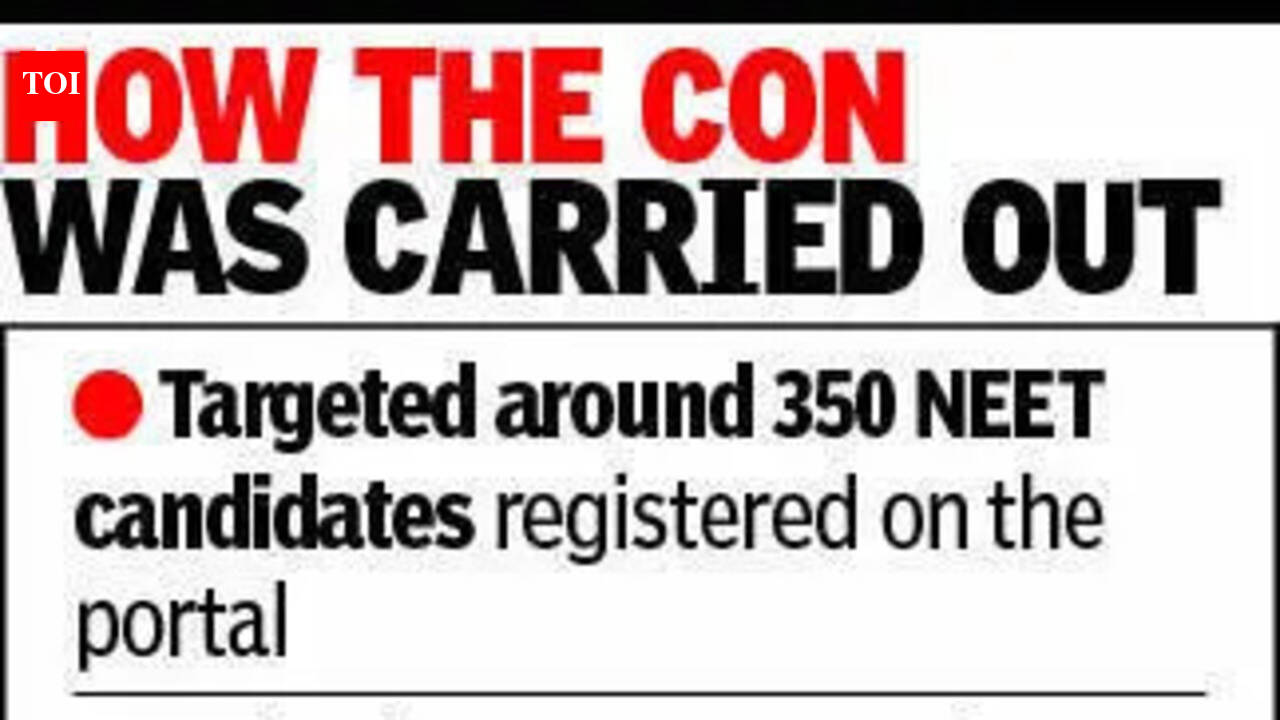
Here’s the deal. The Ahmedabad Cyber Crime Cell, which is usually busy chasing down financial fraudsters targeting the city's business class, landed a surprising target. They arrested a 19-year-old man, a BSc student from Bihar, in connection with a very specific kind of cyberfraud. The operation was aimed at the NEET UG-2026 entrance exam portal. For those who don't follow it, NEET is the gateway to medical colleges in India, a high-stakes exam that millions of students prepare for over years. The accused allegedly managed to hack into accounts associated with the portal and, instead of just stealing, he targeted a specific stream: refunds. The plan was to divert the refund amounts for around 150 candidates who had, for one reason or another, withdrawn from the exam or were eligible for a refund, sending that money straight into his own bank account. The operation was sophisticated enough to slip past initial checks, but it was the digital breadcrumbs that led the Ahmedabad team, coordinating with other states, right to his doorstep.
Background Information
To understand why this is such a big deal, you need to understand the world of competitive exams in India. Think of the pressure. A student's entire future, their family's hopes and dreams, all seem to rest on the result of a single day. This environment is a fertile ground for all sorts of cheating and fraud. We've seen it all—from groups that sell leaked question papers (the ultimate taboo) to coaching centres making empty promises. Almost all of these scams prey on a student's anxiety.
What makes this particular case stand out is its method. It's not a straightforward scam like a fake admission consultancy. This is digital theft, a direct breach of a major national-level examination portal. It shows how the digital transformation of these exams, which was supposed to make things easier for students, has also opened up new vulnerabilities. The Ahmedabad police aren't just local cops; they've become a go-to agency for complex cyber cases from all over the country. They are used to tracking money trails across states, but this case had a unique psychological angle. The fraudster wasn't just after rich people; he was targeting students who might not even notice a few thousand rupees missing from a refund they were expecting.
Analysis
So, how do you even pull something like this off? Here's my take. He probably didn't need to be a top-tier hacker working from a dark room. What he likely did was something called social engineering. He might have sent out fake emails or messages that looked exactly like the official NEET portal, asking students to "re-verify" their bank details for the refund. Most students, anxious and wanting to get their money back, would probably click the link without a second thought. This simple act gives him access to their portal account, and from there, it's just a matter of changing the bank details for the refund.
It's a classic example of a low-tech trick with a high-tech payoff. As one cybersecurity expert I spoke to put it, *"The weak link in any security system is always the human element. These students are under immense pressure and are more susceptible to panic-based decisions. He didn't break the system; he just tricked the users into letting him in."* This also highlights a dangerous trend. The fraudsters are evolving. They're finding new niches within the educational ecosystem, preying on the very mechanisms designed to help students. This isn't just about punishing one person; it's a wake-up call for the National Testing Agency (NTA) and other exam bodies to re-examine their digital security and communication processes. They need to ensure their students can't be tricked so easily.
Key Takeaways
- This fraud highlights a new, sophisticated vulnerability in major educational portals, moving beyond simple scams to targeted digital hacks.
- The immense pressure on students preparing for exams like NEET makes them prime targets for social engineering attacks, as anxiety can cloud judgment.
- The case demonstrates the growing challenges of interstate cybercrime in India, where a perpetrator in one state can target victims and infrastructure across the country.
- This serves as a crucial warning for all students to be extremely cautious online, never clicking on suspicious links or sharing personal information, no matter how legitimate they seem.
Conclusion
For now, the 19-year-old student is in police custody, and the investigation will likely continue to uncover if he acted alone or was part of a larger network. The immediate impact is on the 150 students who lost their money, a small but significant number for each of them. But the bigger impact will be on the exam authorities. They have a responsibility to make the NEET and similar portals more secure and perhaps, more importantly, to improve their communication with students so they can better identify and warn them about such scams. This incident will likely force a re-evaluation of cybersecurity protocols across the board. It's a reminder that in our digital age, we not only have to study hard but also stay smart about navigating the online world safely.
Trending SEO Keywords
- NEET UG 2026
- cyber crime news
- student arrested
- exam fraud India
- Ahmedabad police