Introduction
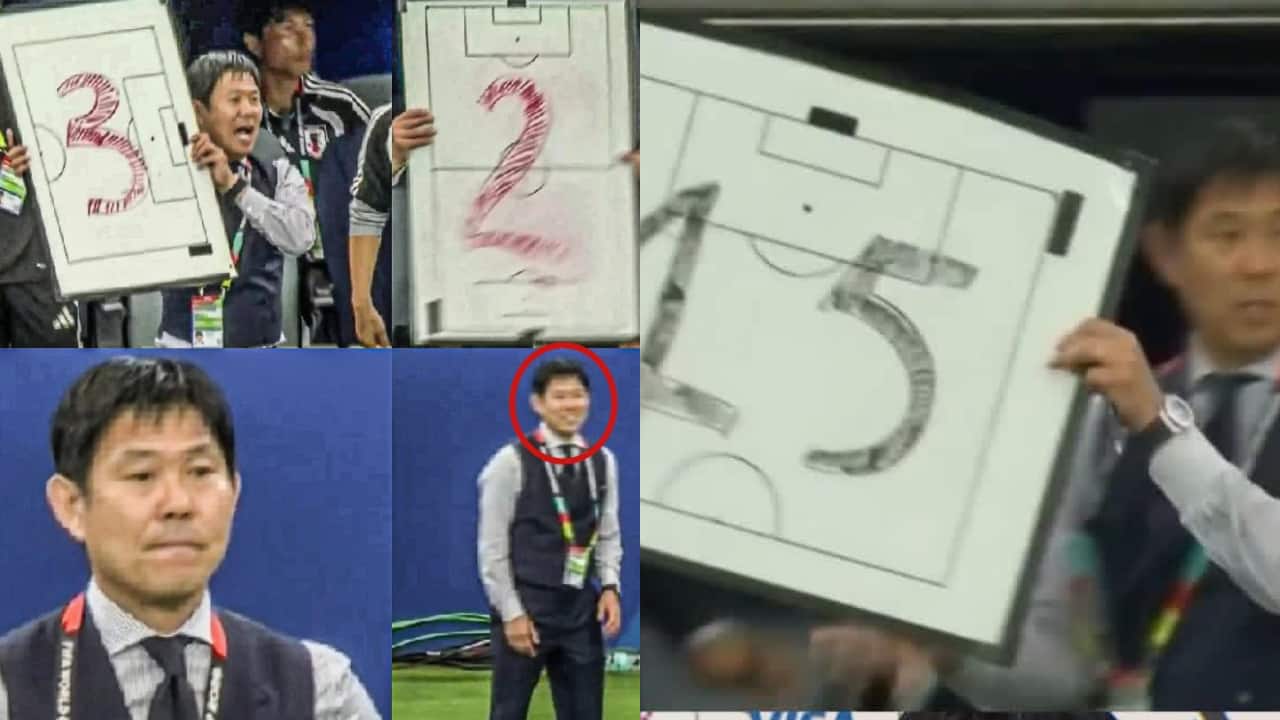
In the age of smartwatch notifications and tactical tablets, here's something that caught everyone off guard at the FIFA World Cup 2026. While teams worldwide embraced high-tech solutions, Japan's coach Hajime Moriyasu pulled out a whiteboard in the middle of the pitch. Those viral clips showed him flashing numbers from three down to one with the kind of dramatic flair you'd expect from a Bollywood villain. Fans couldn't stop talking about what this old-school method actually meant for Japan's chances in the tournament. Was it genius strategy or just window dressing? Let's break down what's really going on with this whiteboard mystery.
Context
The scene: Japan's crucial group match against Croatia at the World Cup 2026. With tensions running high and the score level, Moriyasu made a call that left everyone scratching their heads. Instead of using the technological aids most modern coaches rely on, he pulled out a simple whiteboard. The camera zoomed in as he held it up, displaying large, bold numbers: 3, 2, 1. Players on the field immediately adjusted their positioning, and within minutes, Japan took the lead. The footage, captured from multiple angles, spread like wildfire on social media, with fans divided between calling it "brilliantly retro" and "dangerously anachronistic."
Background Information
Hajime Moriyasu isn't new to Japan's national team. He's been in charge since 2019, guiding them through multiple World Cup qualifiers and the recent Asian Cup victory. Before taking the national team job, he coached Gamba Osaka and even had a stint in the J-League. What's interesting is that Moriyasu comes from a generation of coaches who learned their craft when whiteboards were the cutting-edge technology. He's known for his calm demeanor and preference for traditional methods, which makes this whiteboard tactic surprising for some but perfectly in character for others. Japan's soccer journey has always been about blending tradition with innovation, and perhaps this is just another chapter in that ongoing story.
Analysis
Here's what makes this whiteboard tactic fascinating. In today's soccer landscape, most teams use tablet devices that display complex tactical diagrams and real-time data. These tools are expensive, require stable internet connections, and can be distracting in the heat of the moment. Moriyasu's approach cuts through all that noise. No batteries, no connection issues, just pure, visible communication.
"The beauty of that whiteboard trick is its simplicity," explains former Japan captain Atsushi Yoshida in a post-match interview. "When you're in the thick of it, complex instructions don't stick. But a visual countdown? That's something any player can process in seconds."
The numbers 3-1 weren't just random. According to sports analysts who've studied the footage, the sequence likely represented a tactical adjustment: with three minutes left in the half, Japan would press higher, with players dropping from their defensive positions to create a numerical advantage in midfield. The single at the end probably signaled when to execute a specific set piece or defensive reorganization.
What's really impressive is how quickly the players responded. This isn't Japan's first rodeo under Moriyasu, and they've learned to trust his unconventional methods. The communication was almost telepathic - no confusion, no delays, just immediate execution.
Key Takeaways
- Moriyasu's whiteboard tactic demonstrates that sometimes the simplest solutions are the most effective
- Japan's success with this method shows the importance of adapting to tournament pressure rather than clinging to technology
- The viral nature of the technique has sparked debates about tradition versus innovation in modern sports
- This approach could be particularly valuable in World Cup conditions where technology might fail
- Other teams might start exploring similar low-tech solutions during high-pressure moments
- The tactic highlights the psychological aspect of sports - sometimes what works best is what players can see and understand instantly
Conclusion
As Japan moves forward in the World Cup 2026, don't be surprised if you see more whiteboards. Moriyasu has proven that his methods work, and now other teams will be studying his approach just as closely as they're studying Japan's playing style. The beauty of this story isn't just about a coach using an old tool; it's about how traditional wisdom can still shine in our high-tech world.
For Japan, this whiteboard moment might just be what gives them the edge they need. They've already shown they can compete with the best, and now they've added this unexpected weapon to their arsenal. As we move deeper into the tournament, keep an eye on how other teams respond to Moriyasu's unconventional playbook. Will they copy his approach? Will they develop counter-strategies? Or will they dismiss it as a gimmick, potentially underestimating Japan's tactical flexibility?
One thing's for sure - whether you love it or hate it, that whiteboard isn't going anywhere. And in the unpredictable world of sports, sometimes that's exactly what you need.
Trending SEO Keywords
- FIFA World Cup 2026 tactics
- Hajime Moriyasu coaching methods
- Japan soccer strategy
- traditional sports technology
- viral sports moments
- World Cup communication techniques