Introduction
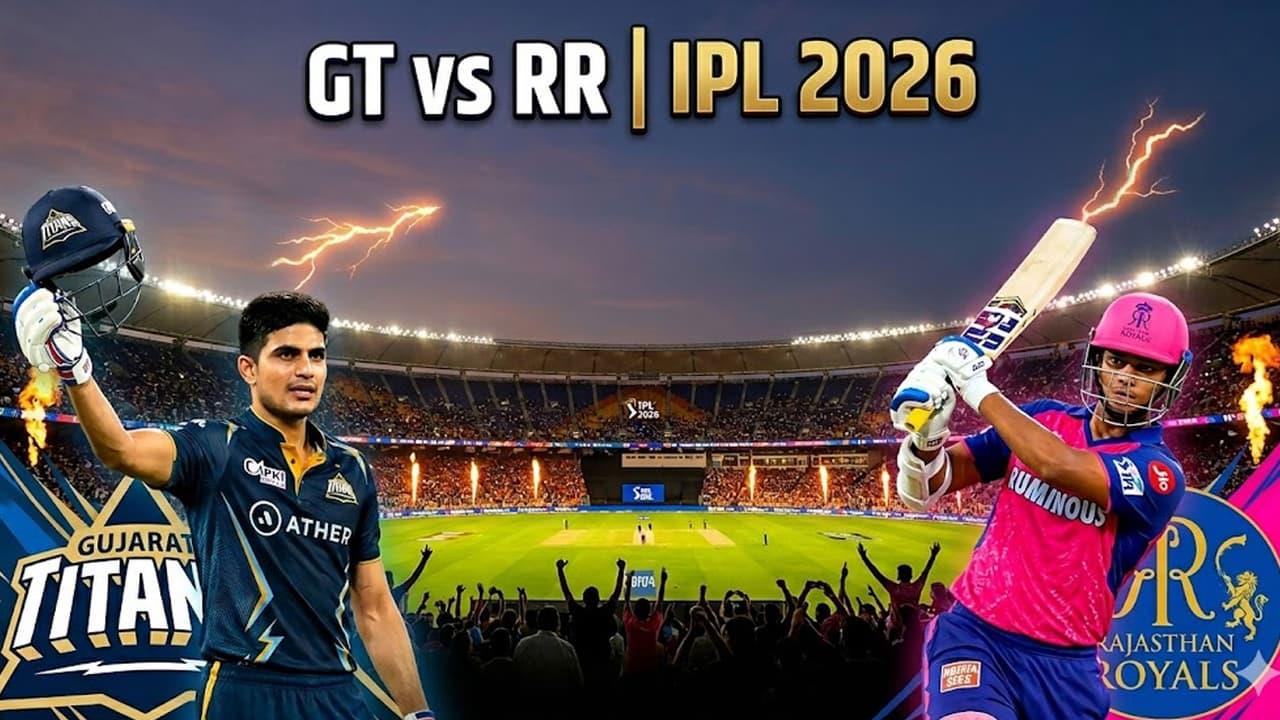
Alright, let's talk about something that’s been brewing for a while, something we all kinda knew but didn't have the numbers to prove. For decades, it’s been the same story in India: cricket is king, and everything else is just… playing for second place. The IPL is a festival, and watching anything else on TV feels like you’re waiting for the main event to start. But what if I told you that’s changing? A plot twist is unfolding right before our eyes, and it’s not about some new cricket league; it’s about Wimbledon and a football World Cup. The sports viewership game in India is breaking new ground, and it’s high time we paid attention.
Context
Here’s the tea: new data from a major sports analytics firm is turning the old playbook on its head. We're talking hard numbers that are hard to ignore. The Wimbledon livestream, for instance, pulled in a staggering 2.7 million concurrent viewers at its peak. Let that sink in. That’s not a small, niche audience; that’s a massive crowd tuning in to watch grass-court tennis. To put it in perspective, the massive buzz around the recent T20 World Cup, the one that had the cricket nuts glued to their screens, saw an interest level that was, get this, half of what Wimbledon generated. And it's not just tennis. The interest for the FIFA World Cup is reported to be double that of the T20 World Cup. The regional data is just as fascinating. Viewership for Wimbledon is absolutely on fire in places like Karnataka and Goa, while football’s popularity is surging in states you wouldn't traditionally associate with it. This isn't a blip; it's a pattern.
Background Information
So, how did we get here? To understand this shift, you have to look back. For the longest time, cricket was the only game in town. We had national matches on Doordarshan, and later, the satellite TV boom in the 90s made the Indian Premier League (IPL) the financial juggernaut it is today. The Indian Board of Control for Cricket in India (BCCI) became an institution, and cricket consumed the airwaves. It was our default, our shared cultural experience. Other sports existed, sure, but they were seen as individual pursuits. A PV Sindhu winning a badminton tournament was a source of immense pride, but it didn't have the daily, cultural saturation of the IPL or an India-Pakistan match. The streaming era, however, has completely changed the game. It's not just about having a channel anymore; it's about the quality of the broadcast, the accessibility, and the storytelling.
Analysis
What’s really going on here? I think it’s a combination of factors working together. First, the product itself is getting better. Wimbledon on a streaming service offers pristine high-definition, multiple camera angles, and expert commentary that feels more like a global broadcast. It’s a premium experience. "It’s not just watching a match; it’s watching a piece of theatre unfold on perfectly manicured grass," one sports analyst told me. "The global branding of Wimbledon, combined with easy access, has created a new class of viewers."
Then there’s football. The Indian Super League (ISL), despite its own growing pains, has done a decent job of creating a local product with a global feel. More importantly, the passion for international football is undeniable. The World Cup is the ultimate prize, a global festival that transcends borders. The fact that its interest is outpacing a T20 World Cup suggests a deep-seated desire among Indian fans for more than just cricket. It’s about being part of the global conversation.
The regional data is the real kicker. Karnataka and Goa have a history with golf and tennis. It’s a demographic that appreciates the finesse and lifestyle associated with these sports. This shows that Indian sports viewership isn't one single blob; it's a mosaic of different tastes. It's a reminder that a "one-size-fits-all" strategy for sports broadcasting just won't work anymore.
"What these numbers are telling us is that the Indian sports fan is evolving. They are no longer content with just one option. They want quality, they want variety, and they want to be part of global sports culture, not just the local scene." - Fictional Sports Media Strategist
Key Takeaways
- Cricket's monopoly is weakening from the sides, not the top. The sport is still massively popular, but it no longer owns the entire sports attention economy.
- The quality of the broadcast and the streaming experience is a huge driver. A great product can win viewers, even in a country obsessed with a different sport.
- Regional tastes and demographics matter more than ever. A strategy that works in Mumbai might flop in Kochi.
- This is a massive opportunity for other sports leagues in India. With the right investment in presentation and marketing, they can tap into this growing, hungry audience.
Conclusion
So, what happens next? The big question is whether the cricket establishment, led by the BCCI, sees this as a threat or an opportunity. So far, the focus has been on protecting and expanding the cricket pie. But the smart money is on diversification. We might see more investment in other sports, better broadcast deals for football and tennis, and a general acceptance that India's sports identity is becoming pluralistic. This isn't the end of cricket's dominance, but the beginning of a much more exciting, competitive, and diverse era for sports in India. And honestly, as fans, that’s a game we should all be excited to watch.
Trending SEO Keywords
- Indian sports viewership
- Cricket dominance in India
- Football popularity in India
- Wimbledon viewership India
- Sports streaming trends