Introduction
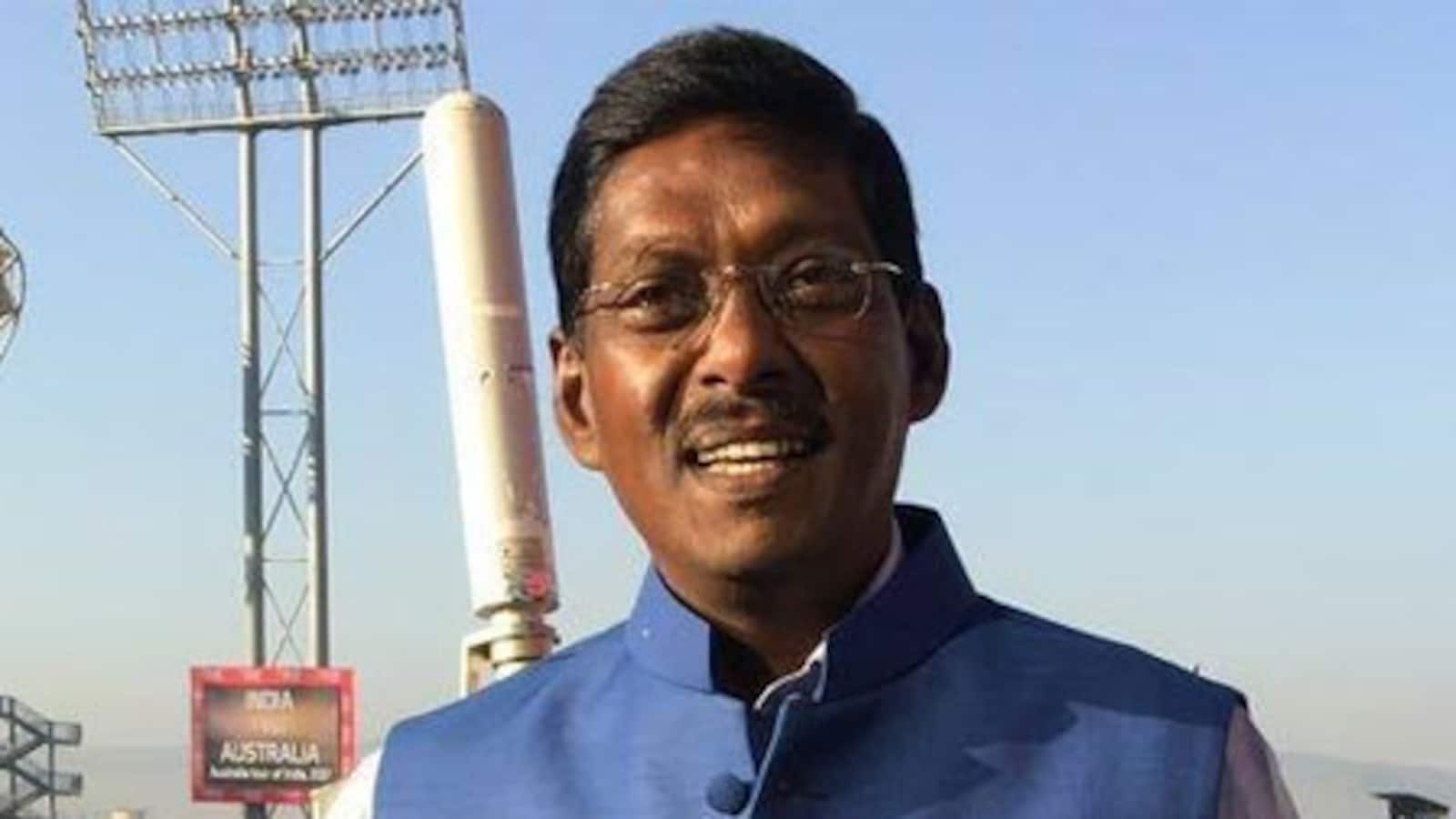
In a stark and deeply personal challenge to the formidable Board of Control for Cricket in India (BCCI), former Indian spinner Laxman Sivaramakrishnan has exposed a culture of operational indifference that places commercial demands above human grief. Just two months after stepping away from the commentary box, Sivaramakrishnan's chilling allegation—that he was requested to broadcast a match mere minutes after his brother's cremation—has ignited a fierce debate about the treatment of its veteran stakeholders. This is more than a personal grievance; it is a potent indictment of an institution at the zenith of global sport, raising uncomfortable questions about the unseen human cost of its relentless commercial engine.
Context
The controversy erupted from a candid interview where the 60-year-old Sivaramakrishnan, a respected voice in Indian cricket for decades, recounted what he described as the most distressing moment of his professional life. The incident occurred during a period of profound personal loss, highlighting a stark disconnect between the BCCI's scheduling protocols and the real-life emergencies faced by its contracted personnel. Sivaramakrishnan's recent, albeit quiet, retirement from the commentary panel adds a layer of gravity to his statements, suggesting this was a breaking point after years of mounting pressure.
Background Information
Laxman Sivaramakrishnan is not a fringe figure; he is a former India international who represented the nation in 17 Tests and 10 ODIs between 1982 and 1987 as a skilled right-arm off-spinner. His transition into cricket commentary saw him become a familiar and trusted voice for millions of fans, particularly on domestic cricket broadcasts. As a contracted commentator, he was an integral part of the BCCI's media ecosystem, a role that came with implicit expectations of availability and loyalty. His decision to speak out publicly, months after leaving the role, underscores the severity of the issue and signifies a potential schism between the board and its former players.
Analysis
Sivaramakrishnan's accusation strikes at the heart of the BCCI's operational philosophy. While the board has transformed Indian cricket into a financial juggernaut, this incident forces a reckoning with the human element within its vast machinery. The demand for a commentator to be "on air" minutes after a cremation is not merely a scheduling error; it represents a systemic failure to acknowledge the profound emotional and psychological toll on individuals.
The core of the issue lies in the power dynamic. Former players like Sivaramakrishnan, who contribute significantly to the board's brand value, often find themselves in a subordinate position, expected to be perpetually available. This incident suggests a culture where the commercial calendar is sacrosanct, and personal crises are treated as logistical hurdles rather than human tragedies. The question now is whether this is an isolated incident of poor judgment or a symptom of a deeper, institutionalized disregard for work-life balance, particularly for those who have given their all to the sport.
Key Takeaways
- The Human Cost of Commercialization:** The controversy highlights the potential dark side of the BCCI's commercial success, where revenue-generating imperatives can overshadow the basic human needs of its employees and stakeholders.
- A Challenge to the BCCI's "Family" Ethos:** The BCCI often projects an image of being a "cricket family." Sivaramakrishnan's allegations directly contradict this narrative, exposing a more transactional and demanding reality.
- A Potential Catalyst for Policy Review:** This public airing of grievances could serve as a catalyst for the BCCI to review its contracts and player welfare policies, potentially leading to more compassionate and flexible scheduling protocols.
- The Power of a Veteran's Voice:** The fact that a respected former international feels compelled to speak out publicly lends significant weight to the criticism, encouraging other stakeholders to come forward with their own experiences.
Conclusion
The BCCI now faces a critical juncture. A quiet dismissal of Sivaramakrishnan's claims would likely fuel further speculation and damage its reputation. Conversely, a transparent review of its internal policies and a public commitment to improving stakeholder welfare could begin to repair the trust that has been fractured. For fans and observers, this episode is a crucial reminder that behind the glitz and spectacle of international cricket lie complex human stories and the ethical responsibilities of the world's most powerful sports administration.
Trending SEO Keywords
- BCCI treatment of former players
- Laxman Sivaramakrishnan BCCI allegations
- Cricket administration work-life balance
- Indian cricket internal culture
- Stakeholder management in sports
- BCCI scheduling controversy
- Ex-cricketer grievances India
- Commercial pressures in cricket broadcasting